The future of work is being shaped—right now—by a new wave of advanced automation: AI agents. These autonomous and intelligent software programs are powered by cutting-edge machine learning. They are rapidly changing how businesses operate.
They are also transforming how developers build solutions. If you’re seeking the next big thing in digital transformation, look no further.
These agents are redefining everything from personal productivity to enterprise workflows. But what are AI agents, how do they work, and why is their adoption skyrocketing in 2026?
In this article, we dive deep into why AI agents are trending. We explore how they’re revolutionizing business automation. We also discuss how developers can leverage these digital assistants for smarter, more efficient operations.
What Are AI Agents?
An AI agent is an autonomous software entity. It is designed to perceive its environment, reason independently, and take action to achieve specific goals.
It often learns and adapts as it goes. Unlike traditional bots or simple scripts, AI agents can process large amounts of data.
They make context-aware decisions. They also interact with users or systems with a level of sophistication previously reserved for humans.
Modern AI agents leverage advances in:
- Natural Language Processing (NLP)
- Reinforcement learning
- Automated planning and scheduling
- Computer vision
- Integrations with APIs and cloud services
This allows agents to operate in real-time. They can handle complex tasks. Agents continuously improve their performance based on user feedback and new data.
Why Are AI Agents a Game-Changer in 2026?
AI agents are trending in the tech world. They do more than just automate mundane processes. They can handle strategic decision-making, multi-step workflows, and dynamic customer interactions.
Many businesses are beginning to deploy intelligent agents in enterprise automation to improve efficiency and reduce manual workloads.
Here are a few reasons why businesses and developers are rapidly adopting AI agents:
- Always-On Digital Employees: The agents don’t sleep, take breaks, or need vacations. They’re available 24/7, scaling seamlessly to handle as many tickets, chats, or tasks as you need them to.
- Personalization at Scale: AI agents can tailor experiences for millions of users. From personalized shopping recommendations to adaptive helpdesks, they achieve what is impossible with manual effort alone.
- Adaptive Learning: Modern AI agents improve with every interaction. They leverage historical data, sentiment analysis, and even emotional cues. This helps them to get smarter over time.
- Cross-Platform Integration: The best AI agents connect across CRM, email, cloud databases, and productivity apps. They act as the nervous system of your digital business.
Core Applications of AI Agents
1. Smart Personal Assistants
Think beyond Siri and Alexa. New AI agents can manage your meetings, summarize emails, and book travel. They can also filter information and learn your preferences over time. This makes everyday productivity tools much more proactive and context-aware.
2. Automated Customer Support
AI agents now power live chat, email responses, and even voice calls for support teams. They can handle common requests instantly and escalate complex cases to humans, reducing costs and improving CX (Customer Experience).
3. Workflow and Task Automation
From approvals and onboarding to invoice matching and project management, the intelligent automation agents can automate multi-step business processes. They monitor for triggers, gather required information, and execute routine ops—virtually error-free.
4. Autonomous Coding
These are transforming software development itself. Thanks to platforms like GitHub Copilot, OpenAI’s Code Interpreter, and AgentOps, developers now rely on this agents. These agents help generate, refactor, test, and debug code at scale. This reduces human error, accelerates release cycles, and boosts innovation. Simply, these are next-generation bots (or) self-learning agents.
5. Decision Support and Data Analysis
AI agents can analyze business data, generate actionable insights, and even recommend strategies in real-time. They process vast datasets faster than any human, identify patterns, and make intelligent suggestions—perfect for business intelligence and data-driven leadership.
According to industry leaders, the future of AI agents will see them become more adaptive. They will be more proactive. AI agents will also be capable of complex decision-making.
AI Agents vs. Traditional Automation: What’s the Difference?
While traditional automation tools follow programmed rules, AI agents actively learn, adapt, and make decisions based on their environment.
For example, a rule-based bot might only follow a set workflow. An AI-powered agent can troubleshoot unexpected issues. It can also interact conversationally and improve over time without manual updates.
This flexibility is what’s driving the surge in AI agent popularity for both businesses and developers.
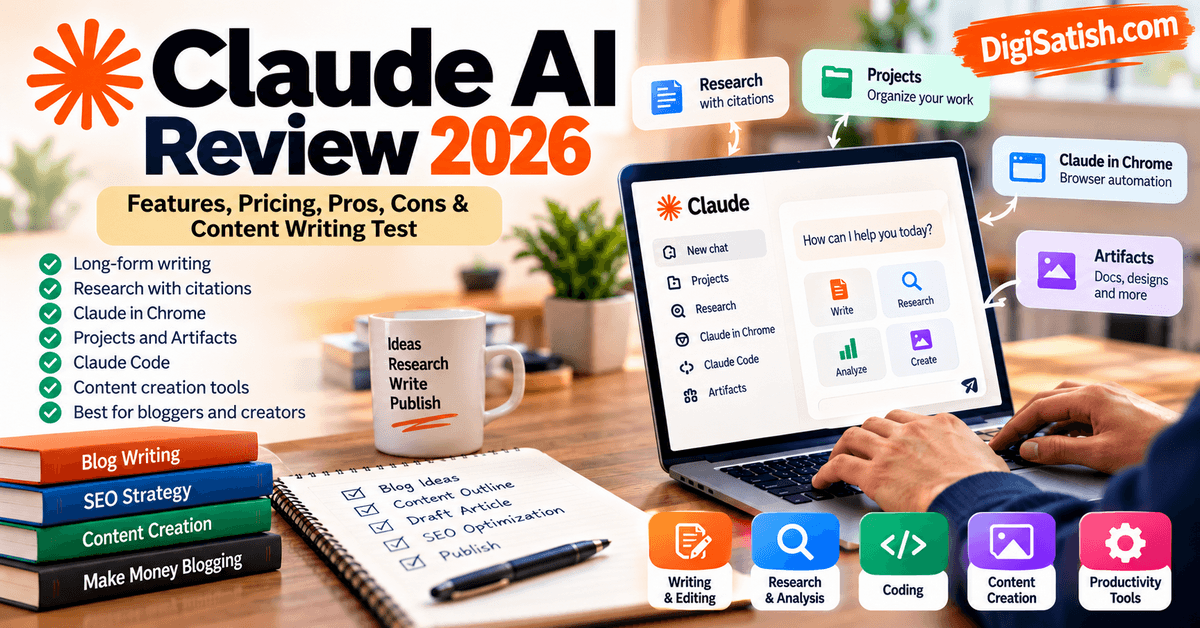
Major AI platforms are shifting toward autonomous tasks; for example, Claude AI’s agentic features, such as Claude in Chrome and Cowork allow models to interact with web pages directly.
How Businesses Are Using AI Agents in 2026
Forward-thinking companies are integrating AI agents into every level of their operations:
- Retail uses agents for inventory, recommendations, and returns.
- Finance deploys them for fraud detection, risk assessment, and compliance.
- Healthcare taps agents for patient triage, appointment scheduling, and medical records.
- SaaS companies automate onboarding, helpdesk, and sales outreach with this intelligent agent.
- Remote teams leverage AI assistants for project sync, HR questions, and knowledge base search.
Key Benefits of AI Agents For Businesses and Developers
- Cost Savings: Reduce reliance on human labor for repetitive or time-consuming tasks.
- Speed & Efficiency: Agents complete tasks in seconds—what would have taken humans hours.
- Scalability: As your needs grow, simply add more AI agents—no training or hiring needed.
- Enhanced User Experience: 24/7 intelligent support, proactive outreach, and error-free workflows.
- Continuous Improvement: Machine learning lets agents self-optimize and deliver better performance over time.
What to Consider Before Adopting Automated Agents
- Data Security: Ensure robust encryption and controls to protect sensitive business and customer data.
- Integration: Choose agents that seamlessly connect with your existing tools and business systems.
- Transparency: Understand how agent decisions are made—choose providers with explainable AI.
- Compliance: Make sure your vendors follow the latest in privacy, data, and AI ethics regulations.
The Future: AI Agents and the Evolution of Automation
The era of intelligent, autonomous agents is just beginning. As AI agents become more proactive, they will be more transparent.
They will also become emotionally intelligent. We can expect them to take on even more complex tasks.
This will blur the line between “assistant” and “co-worker.” In the next few years, every business and developer will likely depend on a suite of these agents.
They will use these agents to solve problems. They will also speed delivery and unlock new levels of productivity.
Conclusion
AI agents are more than just virtual assistants—they are the future of business and software automation.
AI-powered virtual agents can now resolve customer queries and provide tailored support in real-time, transforming the service experience.
These smart, autonomous allies handle daily tasks. They also drive strategic decisions. They are revolutionizing how companies operate and how developers create value.
If you want to future-proof your workflow or business, start exploring AI agents. Leverage their power now.
Stay tuned to our blog for the latest tools, platforms, and case studies in AI automation and intelligent digital agents.
Discover more from DigiSatish
Subscribe to get the latest posts sent to your email.